
The Meaning of Home
After We FellThe novel contrasts houses and cities as symbols of safety, confinement, and belonging, with Tessa and Hardin repeatedly redefining where home can be.
increasing Bearing strength in each event
 decreasing
Bearing strength in each eventdecreasingThe Greenhouse Refuge
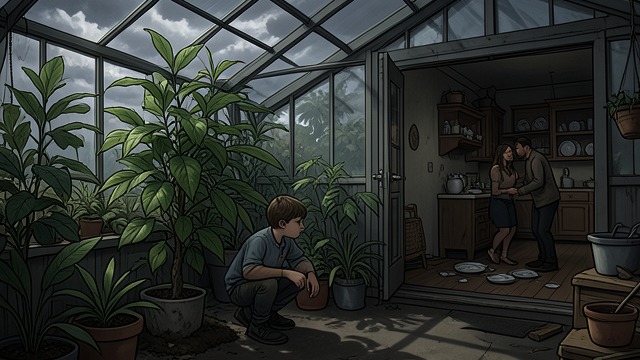
The Greenhouse Refuge
A shelter from conflict
As a child, Tessa hides in the greenhouse while Richard and Carol argue. The space becomes a refuge from the breaking dishes and raised voices inside.
Home is not automatically safe
The memory distinguishes a physical home from emotional security. Tessa’s later desire for a peaceful life grows from this childhood experience.
The Apartment as a Trap
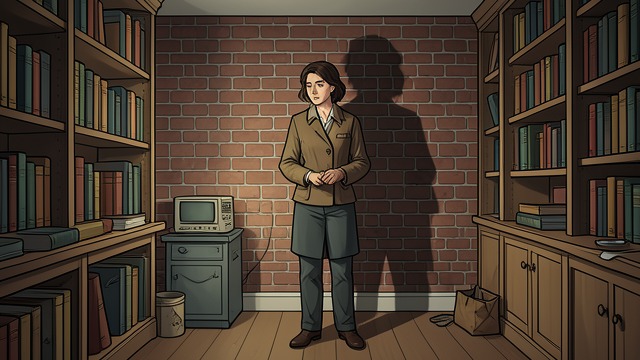
The Apartment as a Trap
A shared space offered
Hardin’s apartment appears to be a beautiful, carefully chosen home for both of them. Tessa is drawn to its bookshelves, brick wall, and distinct character.
The hidden purpose
Hardin later admits he thought living together would keep Tessa close after the bet was exposed. The apartment’s warmth is shadowed by the coercive intention behind it.
Seattle Without an Apartment
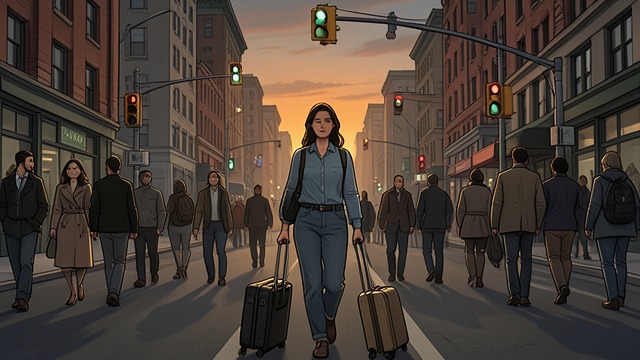
Seattle Without an Apartment
A dream city, unfamiliar life
Tessa reaches Seattle without the apartment she expected and stays with Kimberly and Christian. She has made the move but has not yet made a home.
Freedom has practical costs
The city offers career opportunity and independence, but also traffic, gossip, and dependence on temporary hospitality. Home becomes something she must build rather than inherit.
The Former Apartment Revisited
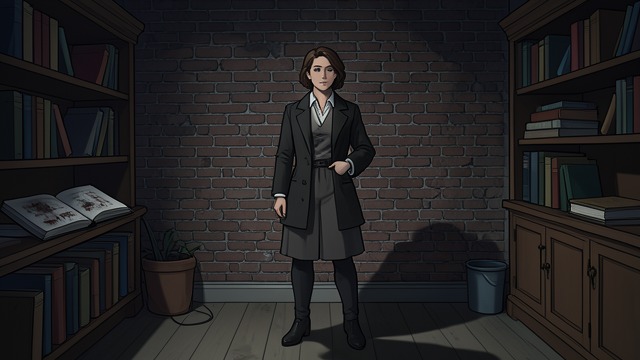
The Former Apartment Revisited
Memory changes a familiar room
Tessa returns to the apartment and sees how its brick wall and bookshelves now hold memories of arguments and betrayal. It no longer feels like the treasure she once imagined.
Belonging is complicated
She misses the life she shared there but recognizes why she left. A place can be loved and still become emotionally unsafe.
A Childhood House Reconsidered
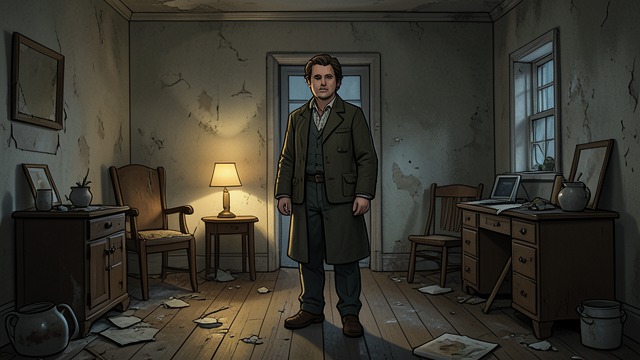
A Childhood House Reconsidered
Hardin returns to old rooms
The house where Hardin grew up is being emptied and sold. Its damaged rooms evoke a past he has tried to leave behind.
Home tied to painful history
Hardin’s resistance to returning is rooted in more than inconvenience. The trip shows that a home can hold affection, abandonment, and anger at once.
Tessa’s childhood memories
After Tessa discovers Hardin’s wager
Tessa’s arrival in Seattle
During Tessa’s visit back to WCU
During the Hampstead weekend
